Evoke Highlights Risks from Potential Tax Rises in Gambling Sector
Henrik Weber · Oct 25, 2026

Evoke Highlights Risks from Potential Tax Rises in Gambling Sector
Evoke, the company behind William Hill and 888, has issued a direct warning to UK ministers about the dangers of additional tax increases on the gambling industry ahead of the autumn Budget, and this alert comes after the firm documented the shutdown of roughly 270 betting shops in the previous year amid earlier duty hikes. The remote gaming duty, which applies to online operations, stands scheduled to climb from 21 percent to 40 percent starting in April 2026, and executives at Evoke point to this shift along with other levies as factors that could further erode viability for physical locations and digital platforms alike.
Details Behind the Shop Closures and Duty Adjustments
Company statements outline how prior tax escalations have already forced a wave of retail site reductions, with those 270 closures representing a measurable contraction in high street presence across the UK. Observers note that these sites often served as community anchors in various towns, yet rising costs tied to remote gaming duty changes have squeezed margins to the point where continued operation became unsustainable for many outlets. Data from industry filings shows the remote gaming duty increase, effective April 2026, targets online slots, casino games, and similar offerings, while parallel pressures mount on land-based activities through proposed adjustments to machine games duty.
Concerns Over Machine Games Duty and Investment Flows
Machine games duty covers equipment such as fruit machines, roulette terminals, and slot devices in venues, and Evoke has flagged that any upward revision here would compound existing strains on jobs and capital spending. The firm emphasizes that further levies risk accelerating venue shutdowns, reducing employment opportunities in retail and support roles, and curtailing funds available for technology upgrades or site modernization. Those who've tracked similar patterns in past cycles point out that operators typically respond to tax hikes by trimming overheads first, which in this instance has already manifested in the reported closures.
Evoke's position aligns with cautions issued by other major players including Entain and Rank Group, creating a unified industry signal directed at policymakers. Figures released by these companies collectively illustrate how cumulative tax burdens, including the April 2026 remote gaming duty adjustment, have altered business models and prompted strategic retreats from certain market segments. Research from sector analysts indicates that investment decisions now factor in these fiscal variables more heavily than before, leading some firms to redirect resources toward jurisdictions with more stable regulatory environments.
Industry-Wide Ripple Effects and Policy Context
Broader data compiled by trade associations reveals that betting shop numbers have declined steadily over recent periods, and the latest round of 270 closures adds to that trajectory while highlighting vulnerabilities in both physical and remote channels. Policymakers face a balancing act between revenue generation through taxation and maintaining a sustainable operator base, with Evoke underscoring that additional increases could trigger further consolidation. Studies from economic research bodies such as those affiliated with international gaming associations demonstrate how tax structures influence venue density and employment levels across regulated markets, providing context for the current UK situation.
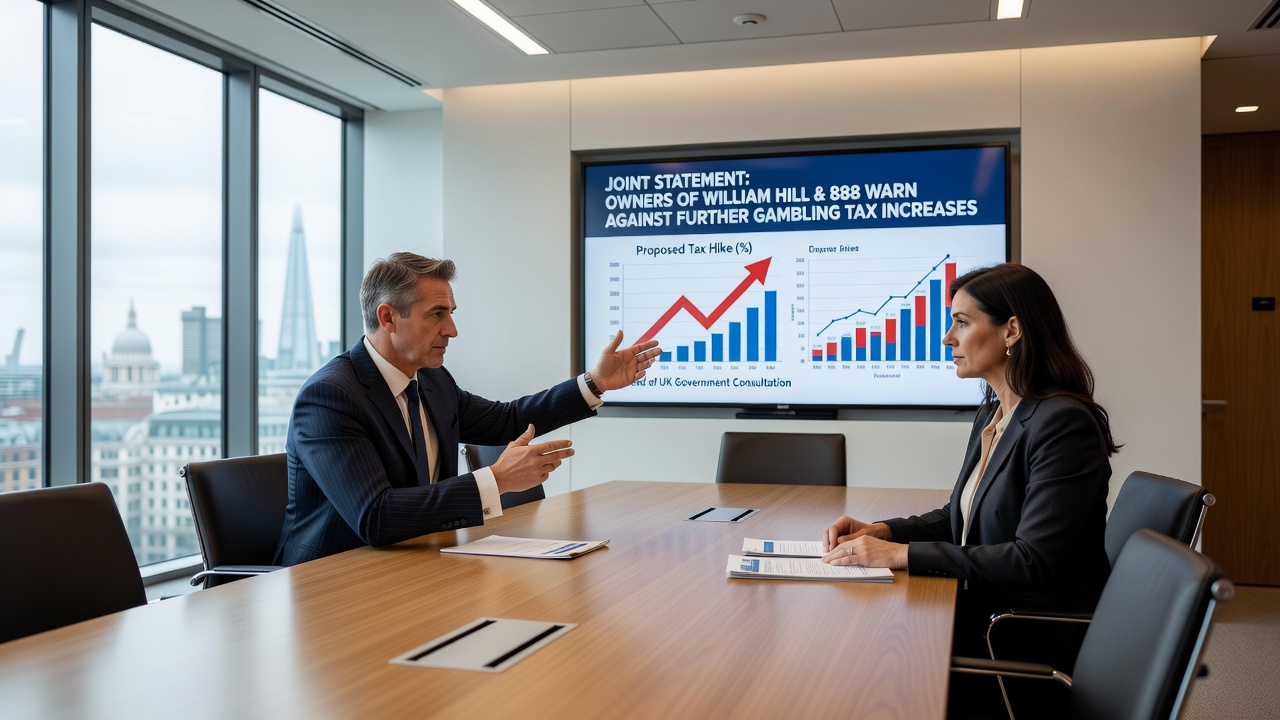
Evoke has specifically called attention to the autumn Budget as a critical juncture, urging restraint to avoid compounding the effects already visible from earlier rises. The company notes that machine games duty expansions would hit venues reliant on these devices particularly hard, potentially leading to reduced footfall, lower staffing, and diminished reinvestment in customer-facing improvements. Industry reports from organizations tracking global trends, including analyses by Australian research centers on gaming economics, show parallel outcomes in other regions where successive tax adjustments prompted similar operational contractions.
Responses from Comparable Operators and Market Observations
Entain and Rank Group have echoed these points in their own submissions, each citing examples of how tax pressures have influenced closure decisions and forward planning. Data shared across these filings points to consistent themes: elevated duties correlate with site rationalization, workforce reductions, and cautious approaches to expansion or innovation spending. Those monitoring the sector observe that the combined impact of the remote gaming duty hike set for April 2026 and any machine games duty movement creates a cumulative load that reshapes competitive dynamics.
Venues operating under these conditions often adjust offerings or hours to manage costs, and Evoke's warning serves as a marker of where the sector stands amid ongoing fiscal deliberations. Evidence from operator disclosures suggests that without adjustments to the tax framework, further attrition in betting shop counts remains a plausible outcome in subsequent reporting periods.
Conclusion
The warnings from Evoke and aligned operators frame the autumn Budget discussions around gambling taxation as a pivotal moment for the industry's structure, with documented shop closures, scheduled duty changes effective April 2026, and projected effects on employment and investment forming the core elements of the current narrative. Information released by the companies involved provides a factual basis for understanding these pressures without speculation on future policy choices.